
 For New Traders
 For Breakeven Traders
 For Profitable Traders
Edgewonk Adds Deeper Trading Analytics to Chart Lab
This week, Edgewonk received one major upgrade.
7 min read
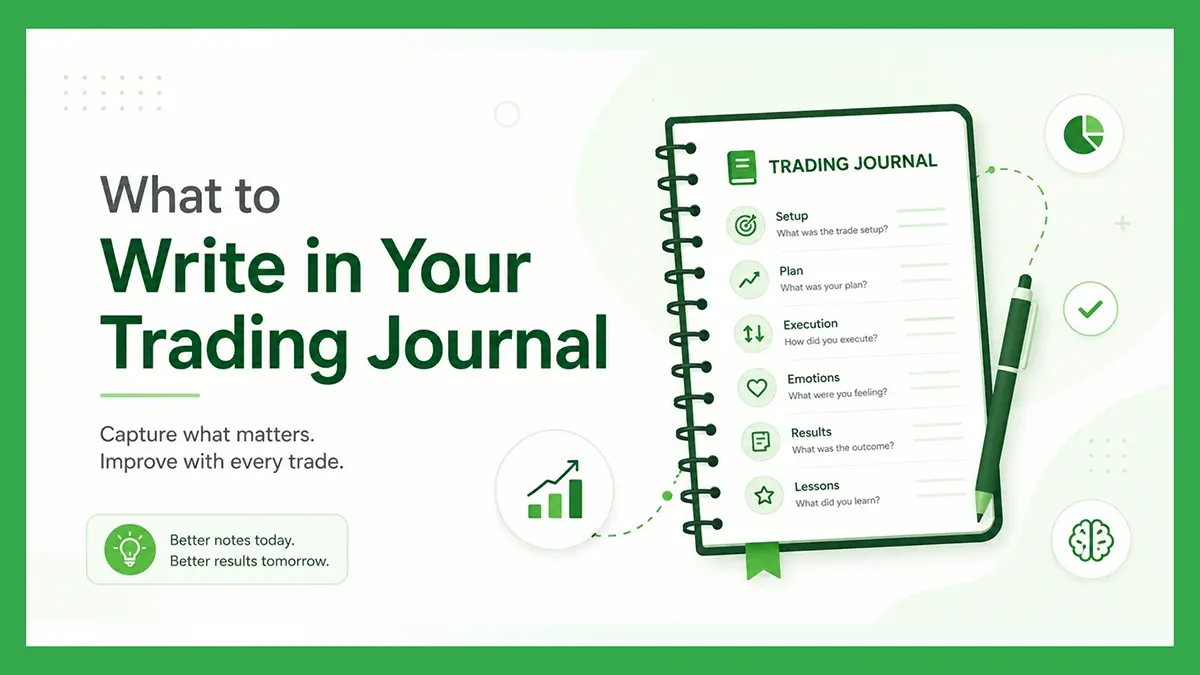
Many traders think of journaling as extra admin work after the trade is already over. But a good trading journal is not just a place where you store old trades. It is one of the fastest ways to understand your trading behavior, uncover your strengths, and spot the patterns that are holding you back.
Every trade you journal brings you one step closer to your trading goals. Not because the act of entering data magically makes you better, but because every trade adds another piece to the puzzle. Over time, your journal starts showing you what works, what does not work, which setups deserve more attention, which mistakes repeat too often, and where your real edge may be hiding.
Every trading journal starts with the basic trade data: entry price, exit price, instrument, trade direction, position size, stop loss, take profit, profit or loss, date and time, and fees. In Edgewonk, all of these inputs can be imported automatically from your broker, which makes the process much easier. You can see the available Edgewonk platform and broker imports here.
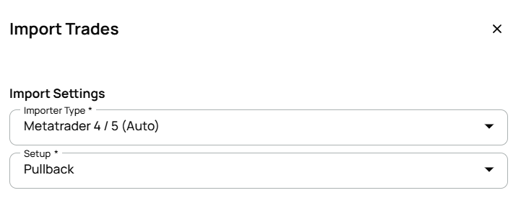
The real value of a trading journal comes from the personalized inputs you add to each trade. This is where traders begin to find their edge.
Your trading approach is unique. Your setups, rules, markets, timeframes, emotional triggers, trade management habits, and decision making patterns are specific to you. Therefore, your journal should not only contain generic trade data. It should also capture the information that helps you understand your own trading process.
The better your inputs, the better your outputs. If your journal only contains entry price, exit price, and profit or loss, your review will remain very limited. But if you also track your setup, rules, screenshots, trade context, emotional state, and lessons learned, your journal can show you where your best trades come from and what needs to improve.
If you are still new to the concept, start with our complete guide to keeping a trading journal before going deeper into what to write down for each trade.
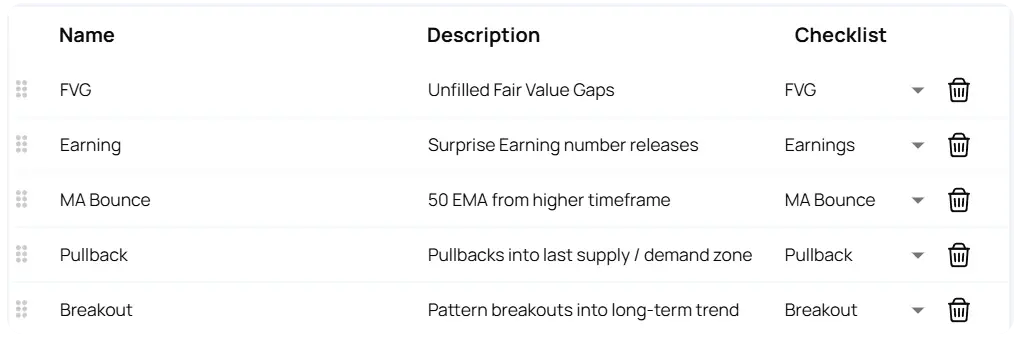
A trader who tracks multiple setups needs to separate trades by setup because every setup follows different rules, conditions, and expectations. A breakout trade is not the same as a pullback trade. A reversal trade is not the same as a trend continuation trade.
If you mix all setups together, your journal may show an average result that hides the truth. One setup might be highly profitable while another setup is slowly damaging your account. Without tracking setups separately, you may never see that clearly.
This is especially important when you want to optimize your trading. You do not improve a trading strategy by looking only at the combined result of all trades. You improve by identifying which setups perform best, which setups need better rules, and which setups may not be worth trading anymore.
Another key input is whether you followed your trading rules.
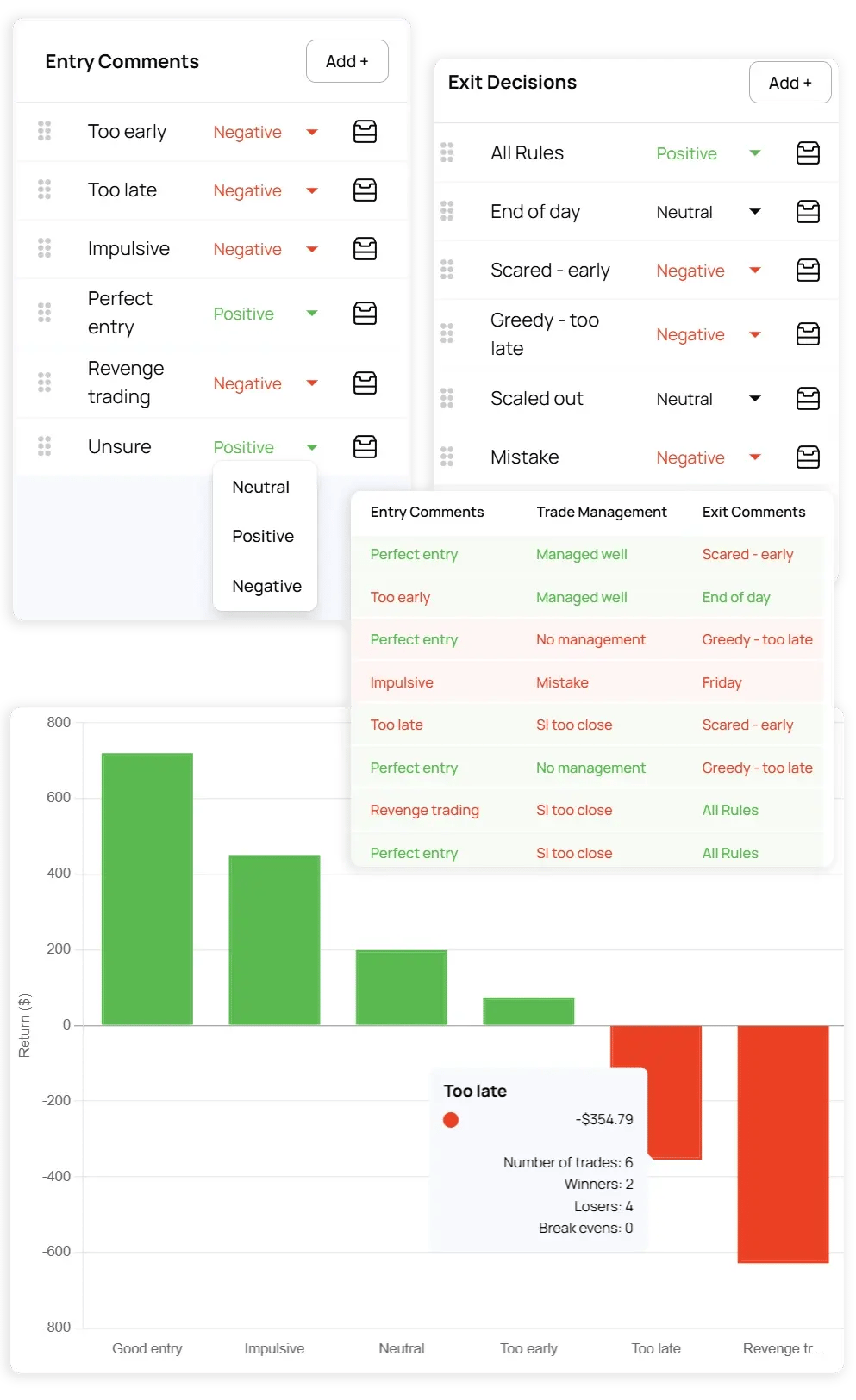
For every trade, ask yourself whether you followed your rules on entry, exit, and trade management. This is one of the most important steps toward leveling up the quality of your journal because it separates your real trading system from the noise around it.
A trade where you followed your rules shows how your actual system performs. A trade where you broke your rules shows something different. It may show emotional decision making, hesitation, fear, impatience, greed, revenge trading, or poor discipline.
This distinction matters. Many traders look at their overall results and believe their strategy does not work. But when they separate rules followed trades from rules broken trades, they often discover something very different. The system may be better than they thought, while the real damage comes from execution mistakes.
In Edgewonk, you can use Trade Comments to tag your trades in three important categories: entry, exit, and trade management. This allows you to mark whether you followed or broke your rules in each part of the trade.
Reason for Entry: Tracking rule-following helps you see whether the reason for entering the trade matched your strategy rules, or whether the trade was caused by impulse, emotion, or a rule violation.
Once the basic journal structure is in place, you can add setup and approach specific inputs. In Edgewonk, this is where Custom Statistics become very powerful.
Custom Statistics allow you to track the details that matter for your personal trading approach. Instead of forcing every trader into the same generic journal structure, you can define the data points that are relevant to your strategy.
Examples of useful Custom Statistic categories include:
Market condition
Timeframe
Chart pattern
Target type
Stop loss logic
Volume condition
Mental state
Indicator signal
News environment
Psychological factors
Trend condition
Volatility level
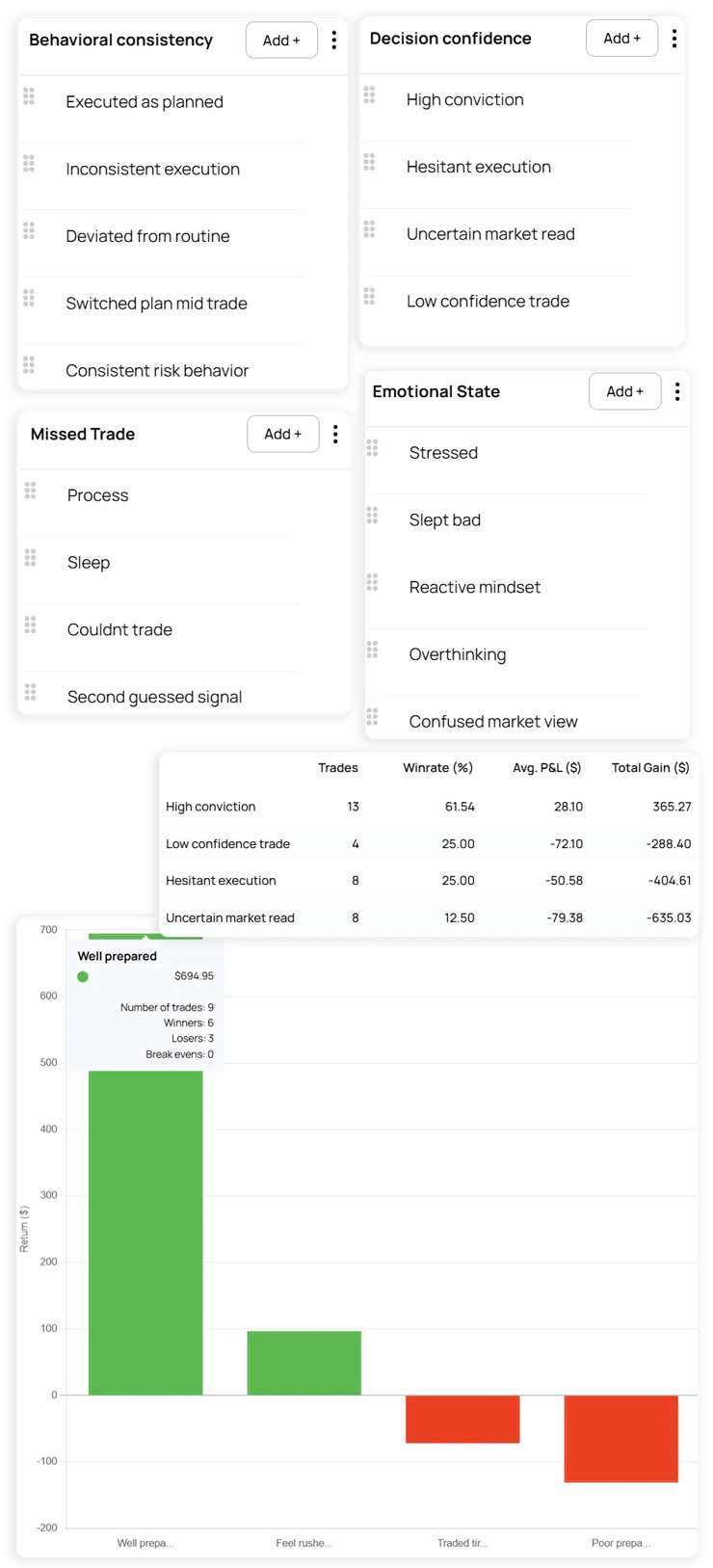
These inputs can unlock tailored insights into your trading behavior and performance. For example, you may find that your breakout setup works best during high volume conditions, but performs poorly in slow markets. Or you may discover that trades taken when you feel rushed have a much lower expectancy than trades taken when you feel calm and prepared.
This is where journaling becomes personal. You are no longer just tracking trades. You are building a data set around your own trading behavior.
Reason for Entry: Setup specific inputs help you understand the conditions behind your entry, so you can see which environments, signals, and mental states lead to your best and worst trades.
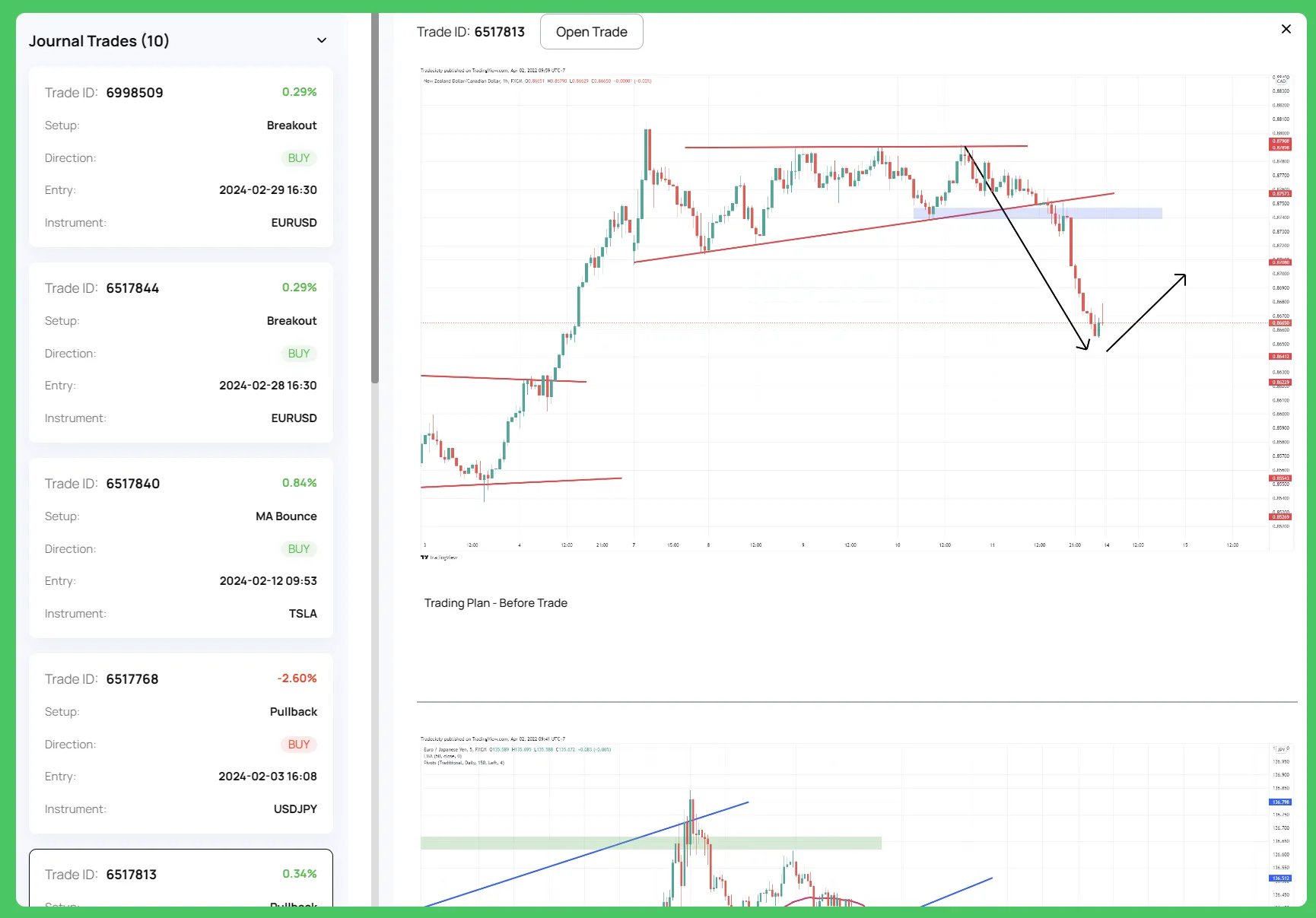
At minimum, you should take two screenshots: one at entry and one at exit.
The entry screenshot helps you review whether the trade idea was valid. When you come back later, you can see what the chart actually looked like when you made the decision. This is important because memory is unreliable. After the trade is over, it is easy to justify a bad entry or forget what you were seeing in real time.
Over time, entry screenshots can also reveal similarities between your best and worst trades. Maybe your best trades all happen after clean pullbacks. Maybe your worst trades happen when price is extended. Maybe you enter too late after the move has already happened. These patterns are often easier to see visually than in numbers alone.
The exit screenshot is just as important. Many traders struggle more with exits than entries. An exit screenshot helps you review whether you closed the trade according to plan, too early, too late, too emotionally, or for a valid reason.
You can also add a third screenshot after your exit. This can be very helpful for optimizing your exit strategy. If price often continues toward (or beyond) your original target after you exit, that tells you something. If price often reverses shortly after your exit, that also tells you something. The goal is not to judge one single trade, but to collect enough examples to identify recurring patterns.
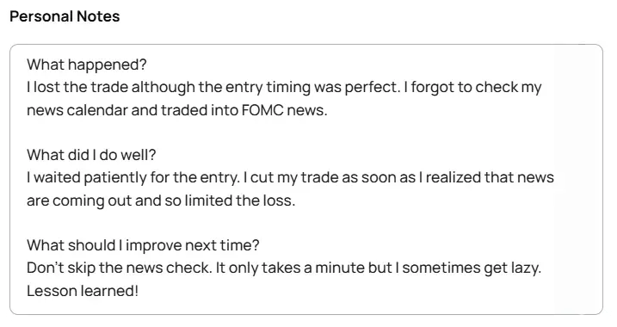
A good trading journal should include a short written note or lesson from each trade.
This does not have to be long. In fact, we recommend keeping it short. One or two sentences or a few bullet points are often enough. The goal is not to write an essay after every trade. The goal is to capture the important thoughts that numbers and screenshots may not show.
It gives you space to record what happened, what you noticed, how you felt, what you did well, and what you want to improve next time.
A simple structure works best:
What happened?
What did I do well?
What should I improve next time?
A note may only take a few seconds to write, but it becomes very valuable during your trading journa review. When you read several similar notes over time, you may begin to see patterns that are not obvious from the trade result alone.
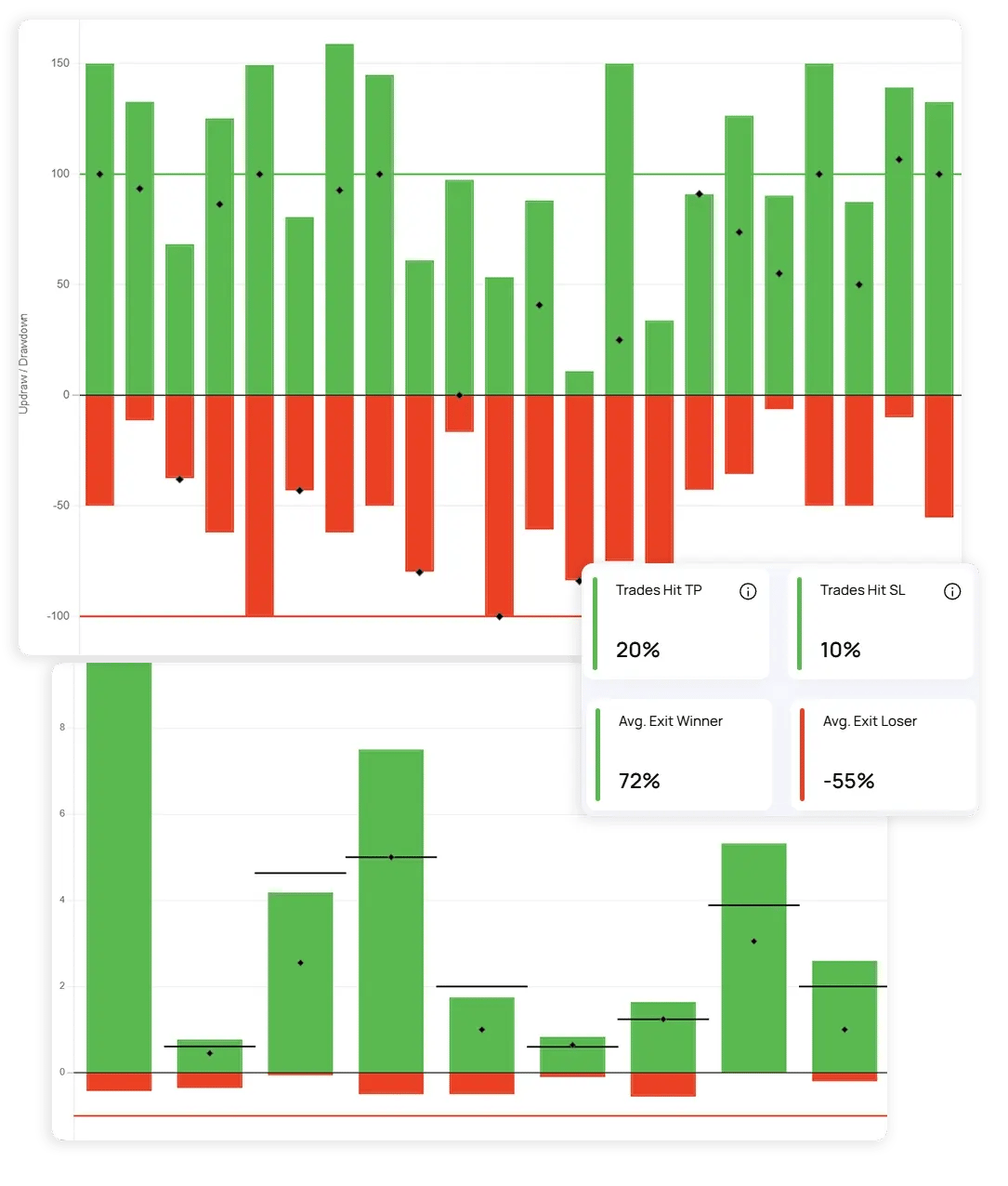
In Edgewonk, you can also track the highest and lowest prices reached during your trades. This is a more advanced input, but for traders who want to improve their exits, targets, and stops, it can be extremely useful.
High and low price data helps you understand what happened inside the trade, not just where you entered and exited. This can unlock analytics that show whether your target placement is realistic, whether your stop loss is too tight or too wide, and whether your exits are leaving too much potential profit on the table.
For example, imagine you often close winning trades early, but price later moves much closer to your original target. Without high and low data, you may only see that the trade was profitable. With high and low data, you can see how much potential was available and whether your trade management helped or hurt the outcome.
This input is not necessary for every beginner from day one. But for more advanced traders, it can become an important part of improving the trade management process.
The more meaningful inputs you add to your journal, the more useful your results and insights will become.
This is why journaling is not a waste of time. It is the process that helps you uncover your real edge. A journal does not only tell you whether you made or lost money. A good journal helps you understand why you got that result and what you can do better next time.
If your inputs are shallow, your insights will be shallow. If your inputs are specific, consistent, and relevant to your trading approach, your reviews become much more valuable.
Do not overload yourself in the beginning.
Many traders quit journaling because they try to track too much too soon. They create a complex routine, add too many fields, and then feel overwhelmed after a few trades.
A better approach is to start with a short and doable routine. Track the basic data, your setup, rule following, one or two custom inputs, screenshots, and one short lesson. That is already enough to create meaningful insights over time.
Once you start seeing the value, you will naturally feel more motivated to journal more consistently.
Consistency is what makes your journal useful. If you only journal your best trades, your data becomes biased. If you only journal when you feel motivated, your journal will miss important periods of frustration, mistakes, or drawdown.
A simple journal completed consistently is more valuable than a perfect journal completed occasionally.
If you did not journal for a while, do not feel like you have to go back and journal everything.
That often creates unnecessary resistance. You may not remember past trades clearly enough anyway, especially when it comes to emotions, reasoning, trade management decisions, or rule following.
Instead, start from where you are now. Journal the next trade. Then the next one. The goal is not to create a perfect historical record. The goal is to build a useful process going forward.
A trading journal becomes powerful when it helps you understand your decisions.
The basic trade details are necessary, but they are only the starting point. The real value comes from the inputs that explain your behavior, your process, your setups, your trade management, and your mistakes.
You do not need to track everything from the beginning. Start small. Add the inputs that matter most. Use Edgewonk to automate the boring parts and focus your attention on the details that create better insights.
Over time, those small journal entries become a clear map of your trading behavior. They show you what to do more of, what to stop doing, and where your next improvement opportunity is.
That is the real purpose of a trading journal: not just to record trades, but to help you become a better trader.
If you want a trading journal that automates the basic inputs and helps you turn your trades into actionable insights, you can compare the Edgewonk plans here.
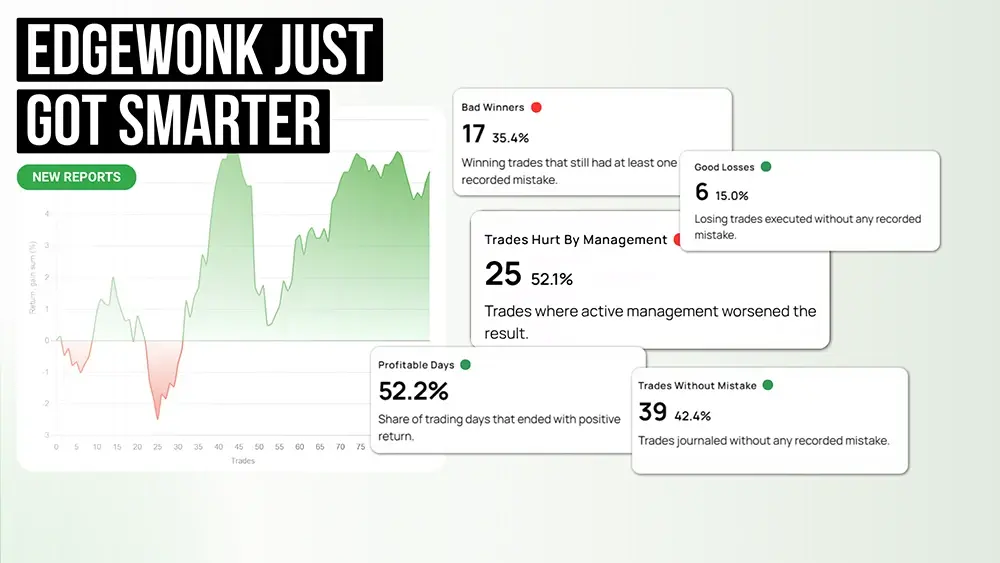
This week, Edgewonk received one major upgrade.
Many traders think of journaling as extra admin work after the trade is already over. But a good trading journal is not just a place where you store...
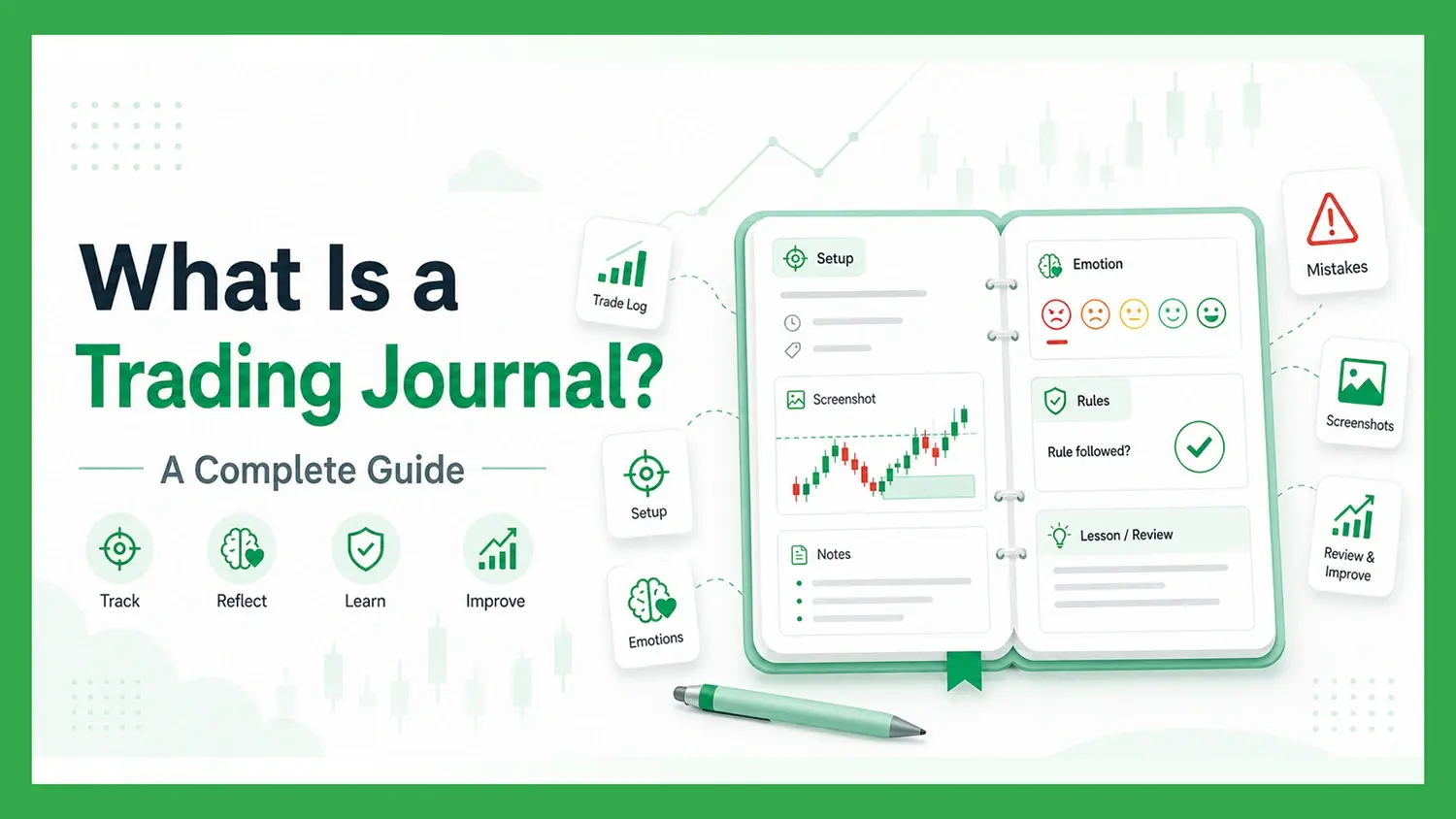
A trading journal is one of the most important tools a trader can use to improve their performance. It helps you record your trades, review your...