
 For New Traders
 For Breakeven Traders
 For Profitable Traders
Edgewonk Adds Deeper Trading Analytics to Chart Lab
This week, Edgewonk received one major upgrade.
2 min read
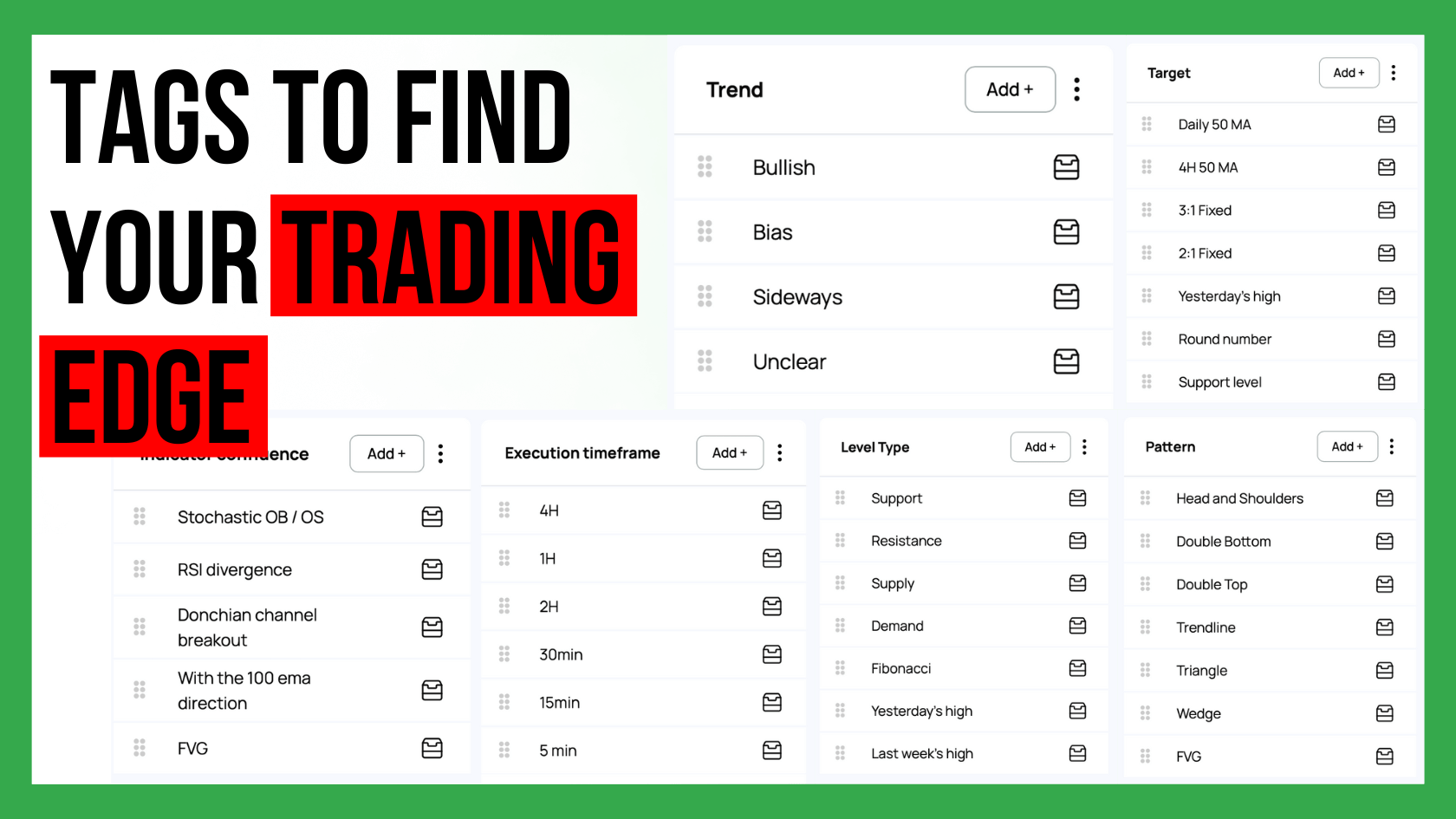
Custom statistics can turn a trading journal into a powerful source of insight because they show the specific conditions that shape your performance. Many traders are not sure what to track, so this article gives clear ideas and practical examples that can immediately be added to a journal. By exploring different custom stats and understanding why they matter, you can uncover patterns in your trading, refine your decision making, and build a more consistent and intentional approach.
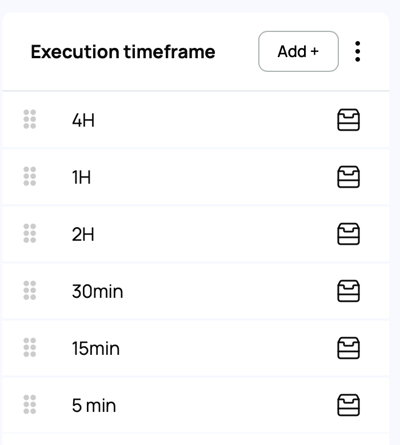
Why: Tracking your execution timeframe shows where your decision making is most effective. Some traders perform far better on higher timeframes due to clearer structure, while others thrive on lower timeframes with more frequent opportunities. Understanding this helps you focus on the environments where your execution is consistently strong and avoid timeframes that introduce unnecessary noise or stress.
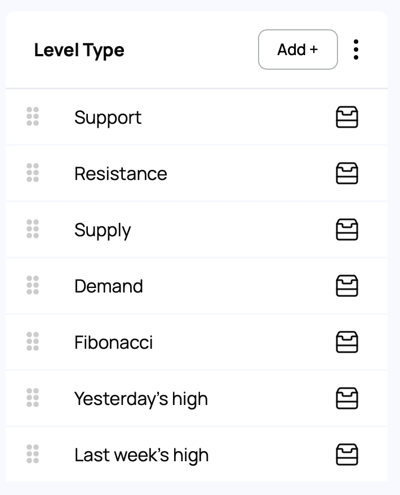
Why: Different level types attract very different trader behavior and liquidity. By tracking which levels work best for you, you learn whether your approach benefits more from reactive bounces at support and resistance or from deeper structural levels like supply and demand. This improves your ability to select higher quality setups and reduce trades around levels that historically do not support your edge.
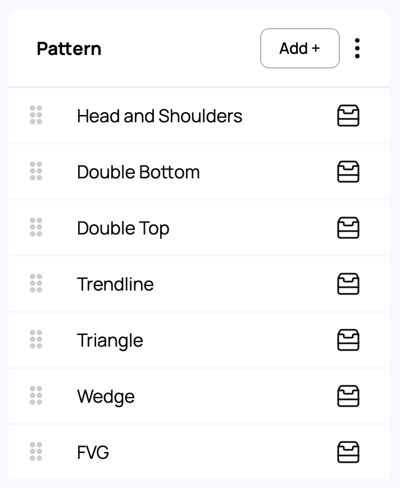
Why: Not all patterns deliver equal performance for every trader. Tracking patterns helps you identify which structures you read clearly and which ones often lead to hesitation or misinterpretation. Over time you learn which formations produce the best follow through for your style, allowing you to focus on the patterns that truly fit your edge.
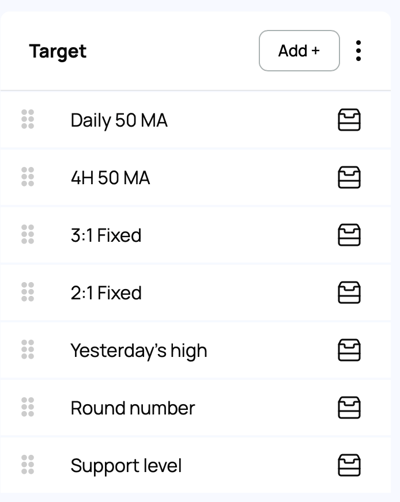
Why: Traders often underestimate how much their target logic influences long term expectancy. Tracking target types shows which targets consistently produce realistic and profitable outcomes and which ones repeatedly fall short. This helps you refine your exit strategy so your targets align with actual market behavior rather than assumptions.
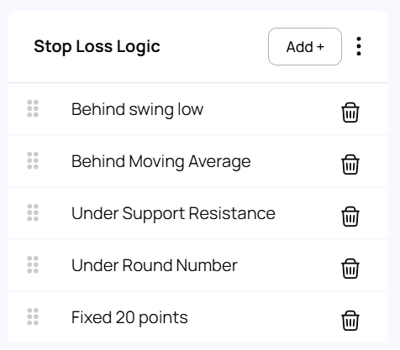
Why: Your stop placement has a direct impact on win rate, reward to risk ratio, and emotional comfort during a trade. Tracking stop logic allows you to see which stops protect you without being too tight and which ones give your trades the space they need to work. This clarity helps you build a more stable and confident risk management approach.
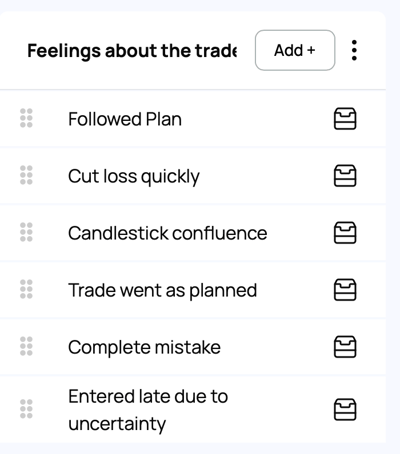
Why: Your emotional state has measurable effects on execution quality. Tracking your feelings reveals patterns such as rushed trades, overconfidence, fear based exits, or disciplined execution. Over time you see how your mindset influences performance, which helps you improve consistency and reduce emotional decision making.
Why: Some traders rely heavily on confluence, yet not every market phase reacts cleanly to Fibonacci levels. By tracking this stat, you learn when Fib based confluence adds real value to your ideas and when it does not. This helps you avoid forcing trades based on confluence that historically has little impact on your performance.
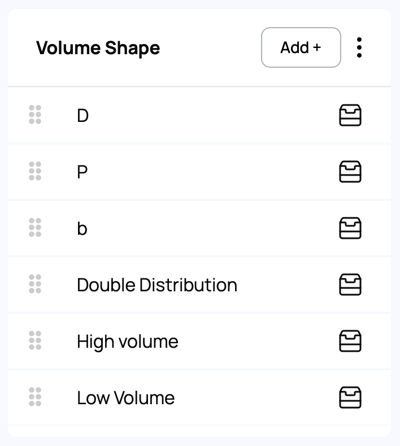
Why: Volume structure often signals the type of market you are dealing with. Tracking volume profiles helps you understand which environments support your strategy’s strengths and which ones tend to create chop or false signals. This allows you to anticipate trade quality and adjust expectations accordingly.
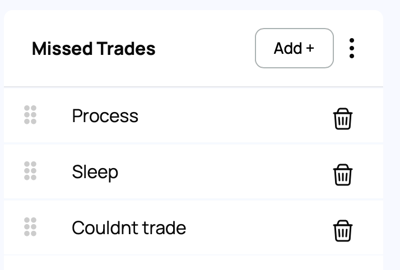
Why: Missed trades add silent drag to your performance. Tracking the reasons shows whether you are missing trades due to process issues, lack of availability, hesitation, or practical constraints. Identifying the root cause helps you plug leaks in consistency and ensures you get closer to capturing your real edge.
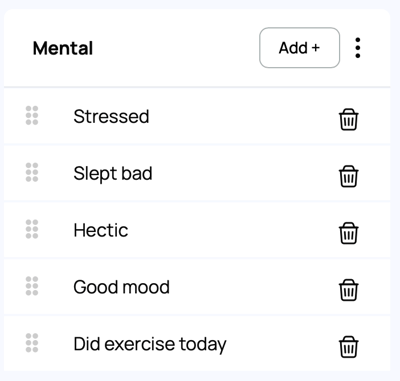
Why: Your mental state is often the invisible factor behind good or bad trading decisions. Tracking it highlights the conditions under which you perform your best and the states that lead to mistakes. With this awareness you can improve preparation, reduce noise, and build routines that support peak execution.
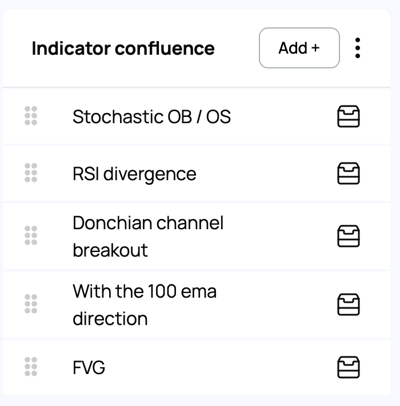
Why: Indicators behave differently across market types and strategies. Tracking indicator based conditions helps you understand whether certain signals truly enhance your entries or exits. Over time you learn which indicator conditions align with profitable trades and which ones add noise, allowing you to refine your system with data instead of guesswork.
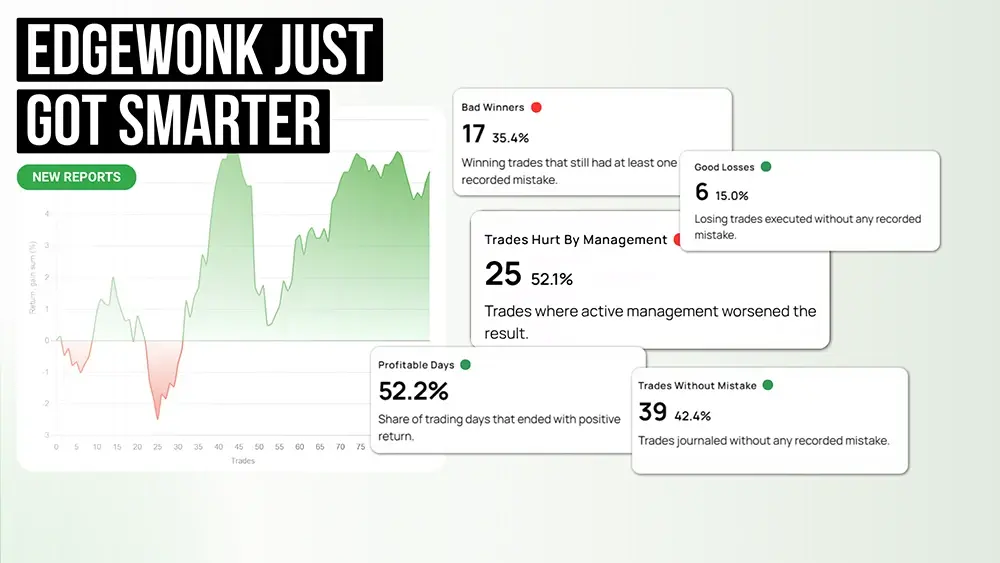
This week, Edgewonk received one major upgrade.
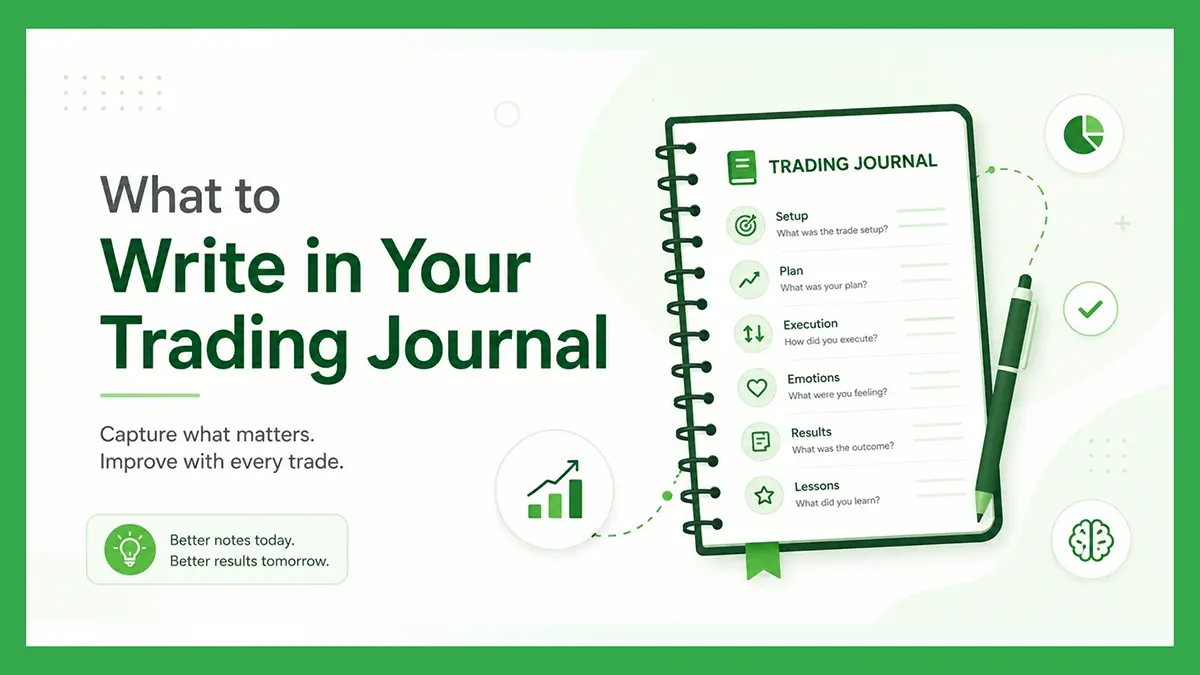
Many traders think of journaling as extra admin work after the trade is already over. But a good trading journal is not just a place where you store...
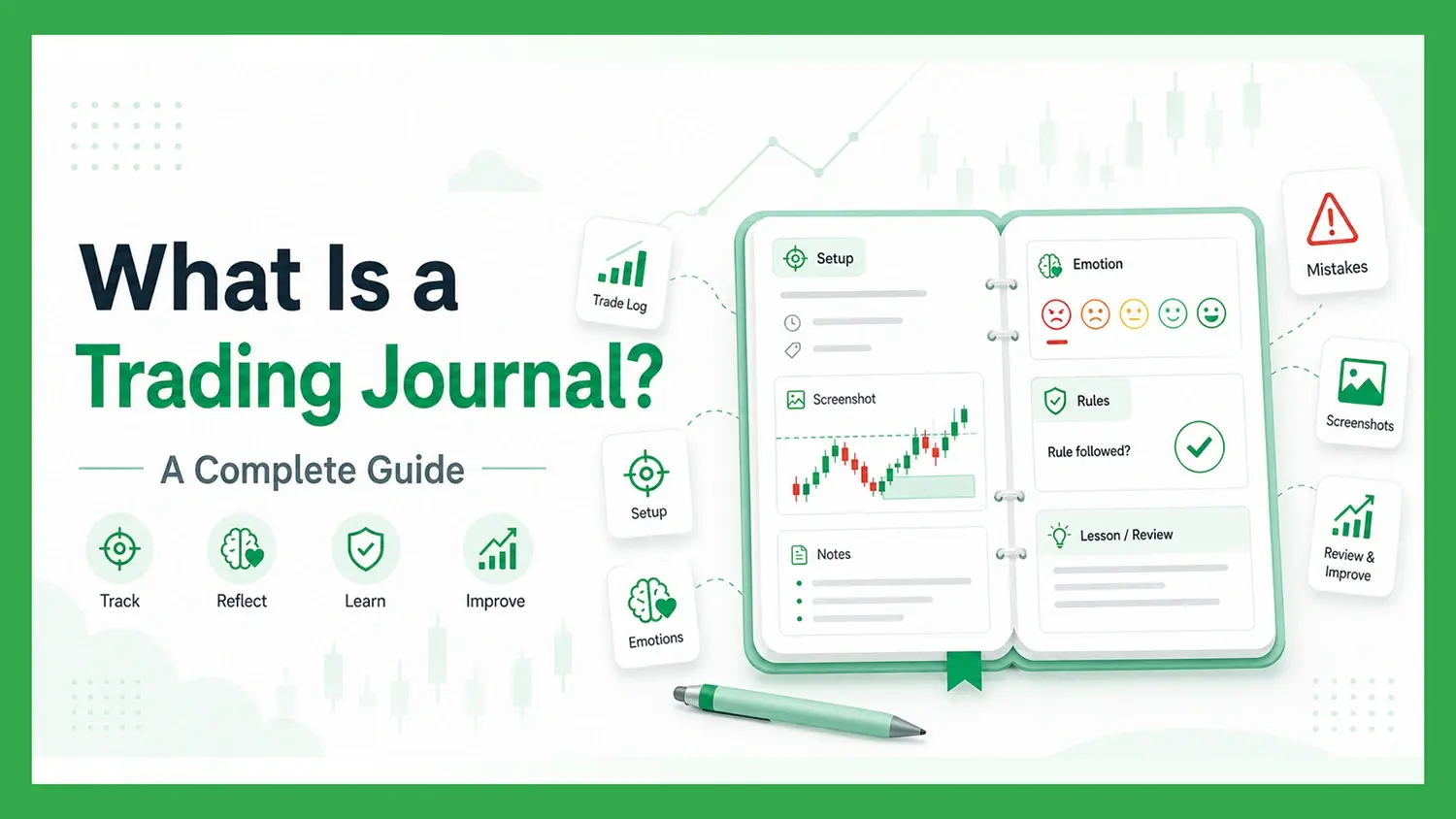
A trading journal is one of the most important tools a trader can use to improve their performance. It helps you record your trades, review your...