
 For New Traders
 For Breakeven Traders
 For Profitable Traders
Edgewonk Adds Deeper Trading Analytics to Chart Lab
This week, Edgewonk received one major upgrade.
3 min read
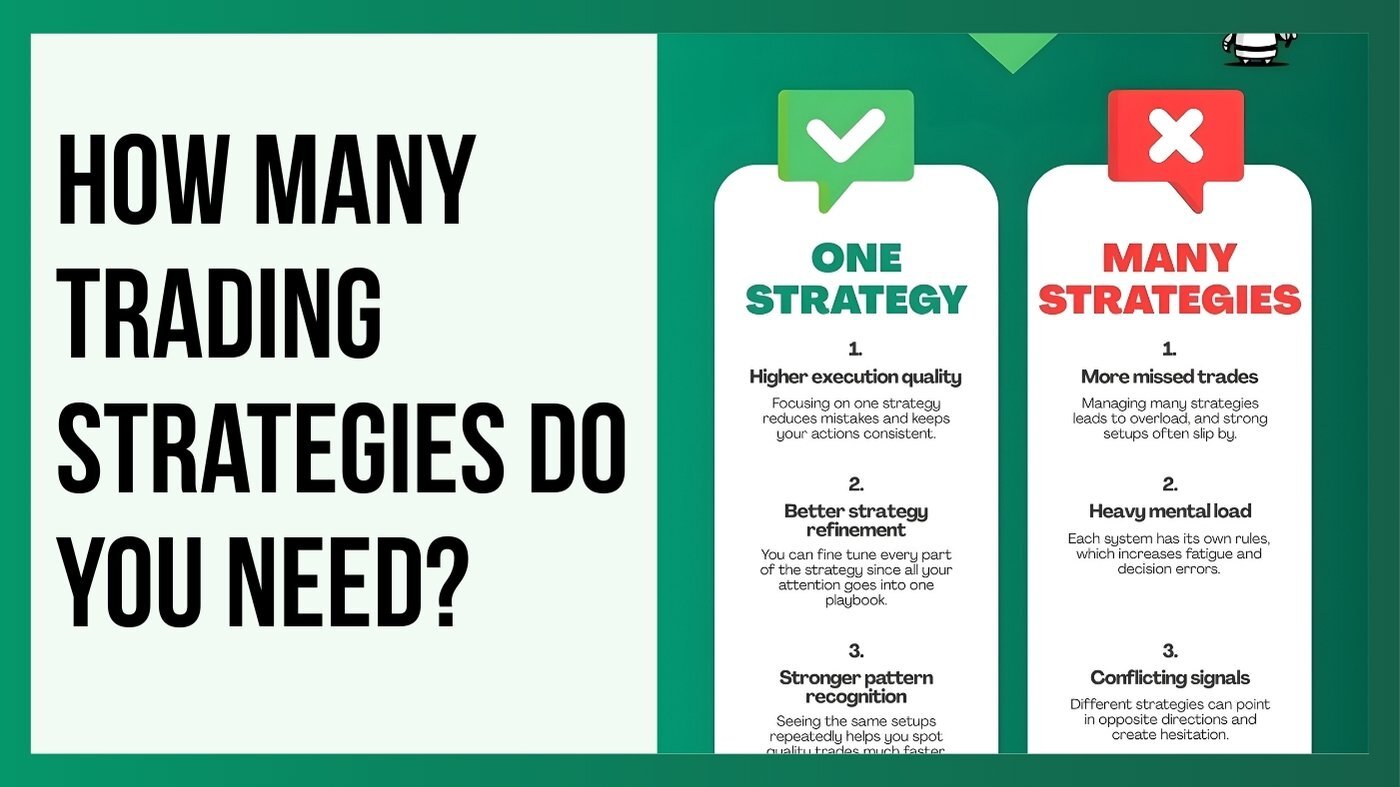
Choosing how many trading strategies you should trade is one of the most important decisions for long term success. Many traders believe that more strategies will lead to more opportunities, but in reality the opposite is often true. Our reviews of thousands of trading journals show a clear pattern: traders who focus on one to three strategies perform far better than those who juggle many. In this article, we look at the pros, cons, and practical tips to help you find the right number of strategies for your own trading.
 Click to enlarge
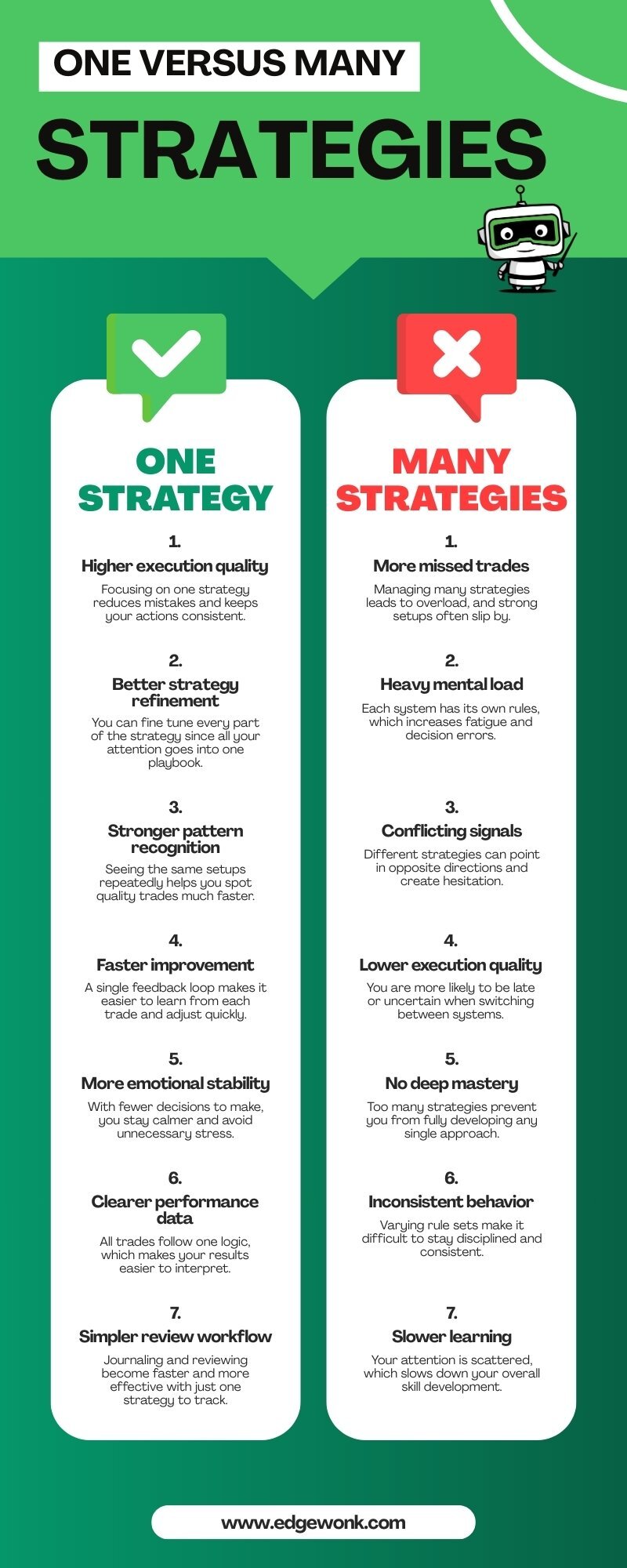
Focusing on one strategy helps traders follow their rules with much greater precision. With fewer moving parts, there is less room for doubt or hesitation, which leads to cleaner execution and fewer avoidable mistakes.
Working with only one approach gives traders the time and energy to understand every parameter deeply. They can refine entries, exits, risk management, and trade management in a much more meaningful way.
Repeated exposure to the same setups builds a stronger instinct for what a good trade looks like. Over time, traders start seeing subtleties in market behavior that are easy to miss when juggling many strategies.
With a tighter feedback loop, traders learn faster. Every trade directly reinforces the same rules and thought processes, which accelerates skill growth and strategy mastery.
Less decision overload reduces emotional swings. It becomes easier to stay calm, stay patient, and avoid forcing trades when your attention is not split across several systems.
When all trades follow the same logic, it is easier to understand what is working and what is not. Patterns in performance become clearer, and the trading journal becomes a much more powerful tool.
A single strategy simplifies the entire review process. Traders can analyze their performance more quickly and focus their energy on meaningful improvements rather than managing several separate playbooks.
Traders who monitor too many strategies often miss strong opportunities because they are overloaded with information. Good trades slip by simply because attention is stretched too thin.
Every strategy has its own rules and requirements, which creates a heavy cognitive load. The constant switching between decision trees leads to fatigue and more mistakes.
Multiple strategies can point in different directions at the same time. Conflicting signals make it difficult to commit to a trade, which often results in hesitation or inconsistent execution.
When attention is divided, traders are often late to act and miss the optimal entry. This gradually erodes trade quality and reduces the overall edge of the systems they are trying to follow.
Spreading time across many strategies means none of them receive the deep practice they need. As a result, traders leave a lot of performance potential unused.
With different rule sets for each system, it becomes harder to stay consistent. Even small differences in structure or timing can pull traders away from disciplined execution.
When energy is diluted across several approaches, learning slows down. Progress becomes scattered and harder to track, which makes meaningful improvement more challenging.
Every trader has a different capacity for managing complexity. Once you notice rising stress, hesitation, or confusion, it is usually a sign that you are handling more strategies than you can comfortably manage.
A trader should be fully confident and consistent with one system before adding another. Stable execution and clear results are strong indicators that you are ready to take on more.
Your second strategy should share similar principles or structures with the first. This allows the skills you have already built to carry over and makes learning much smoother.
If your current routine feels stable and easy to manage, you have the capacity to explore additional methods. If it still feels like work, it is too early to expand.
Use your journal data to judge whether adding a new strategy improves or hurts your performance. Your numbers will quickly show whether complexity helps or creates friction.
Each strategy needs simple and clear rules to avoid signal confusion. Clear structure helps you stay consistent and makes reviews much easier.
Your journal should capture more than trades. Track your focus, stress level, and clarity. When these metrics start slipping, it is often a sign that you are running too many systems.
Every month, review the performance of all strategies and remove the one with the weakest data. This keeps your playbook sharp and prevents your trading from becoming bloated over time.
Staying focused on a manageable set of strategies and using your trading journal to guide every improvement step will help you trade with more clarity and confidence. When you understand your limits, track your performance, and refine only what truly matters, you naturally discover the right number of trading strategies that support steady progress and long term success.
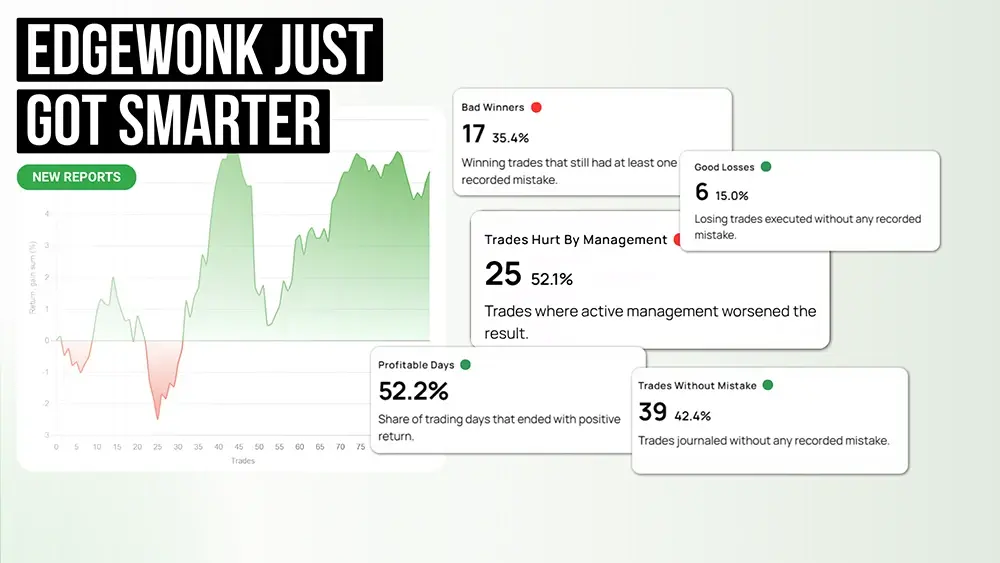
This week, Edgewonk received one major upgrade.
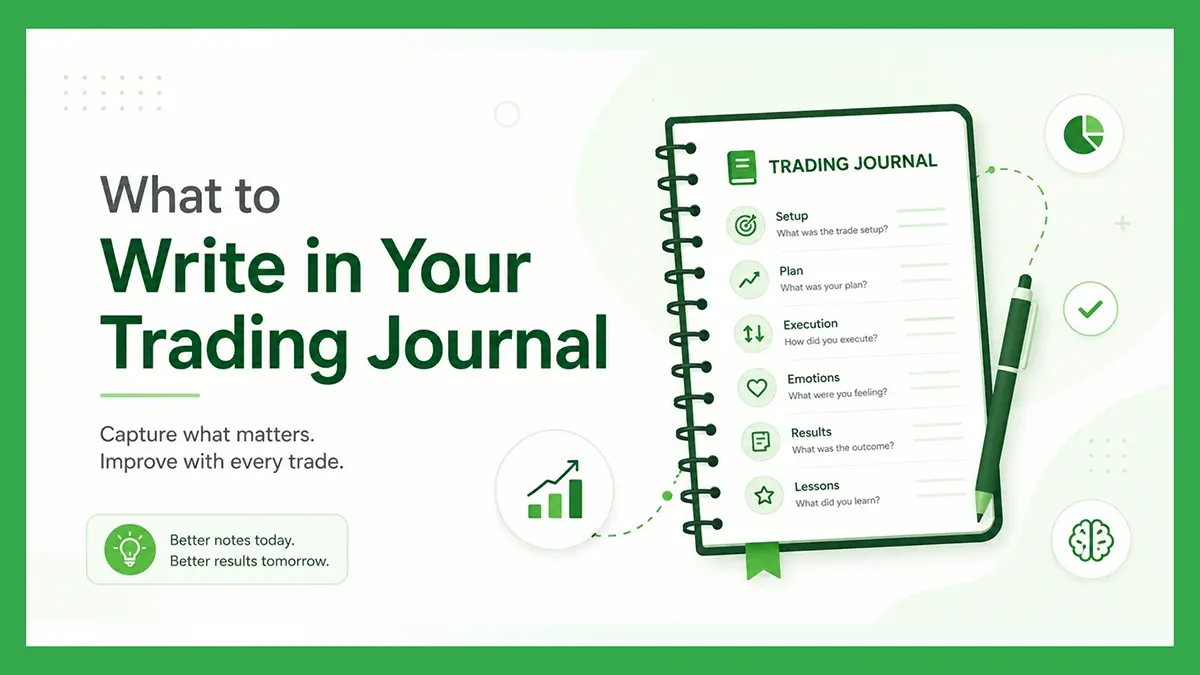
Many traders think of journaling as extra admin work after the trade is already over. But a good trading journal is not just a place where you store...
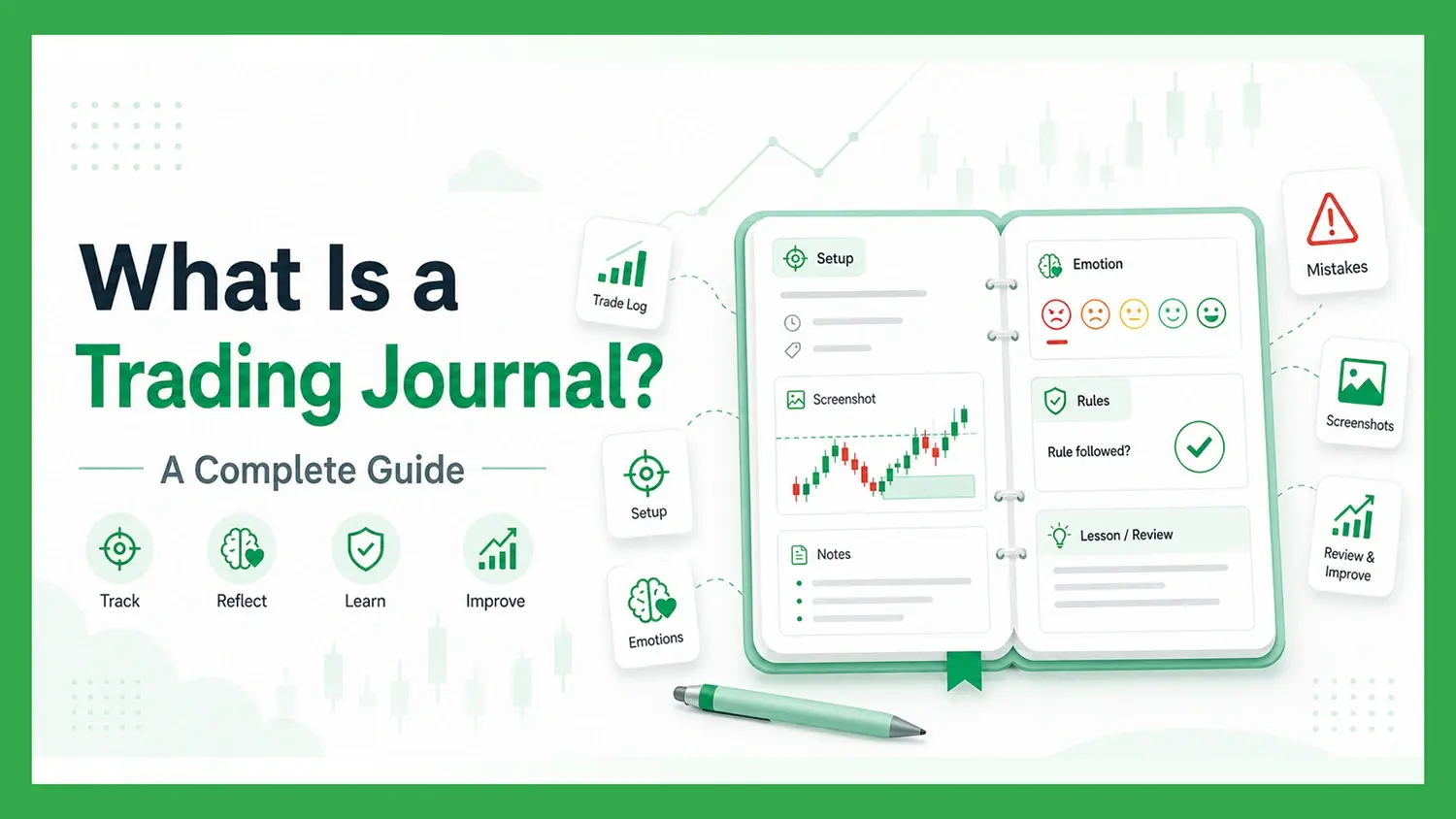
A trading journal is one of the most important tools a trader can use to improve their performance. It helps you record your trades, review your...