
 For New Traders
 For Breakeven Traders
 For Profitable Traders
Edgewonk Adds Deeper Trading Analytics to Chart Lab
This week, Edgewonk received one major upgrade.
4 min read
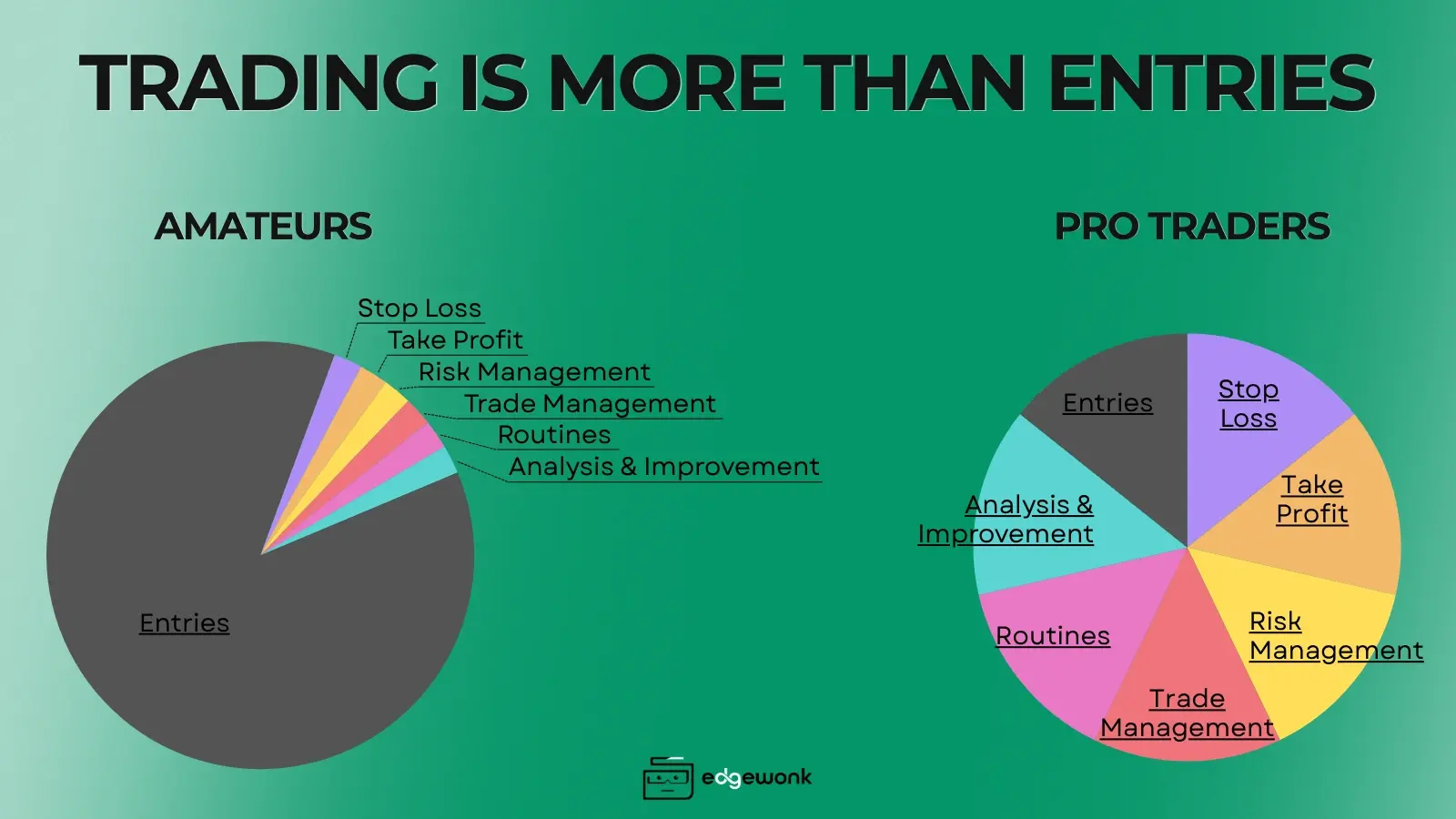
After reviewing hundreds of trader journals and hundreds of thousands of trades over the last 10 years, one thing became clear: profitable traders do not think or act like everyone else. Their edge is often not talent, but a handful of habits and decisions that show up again and again.
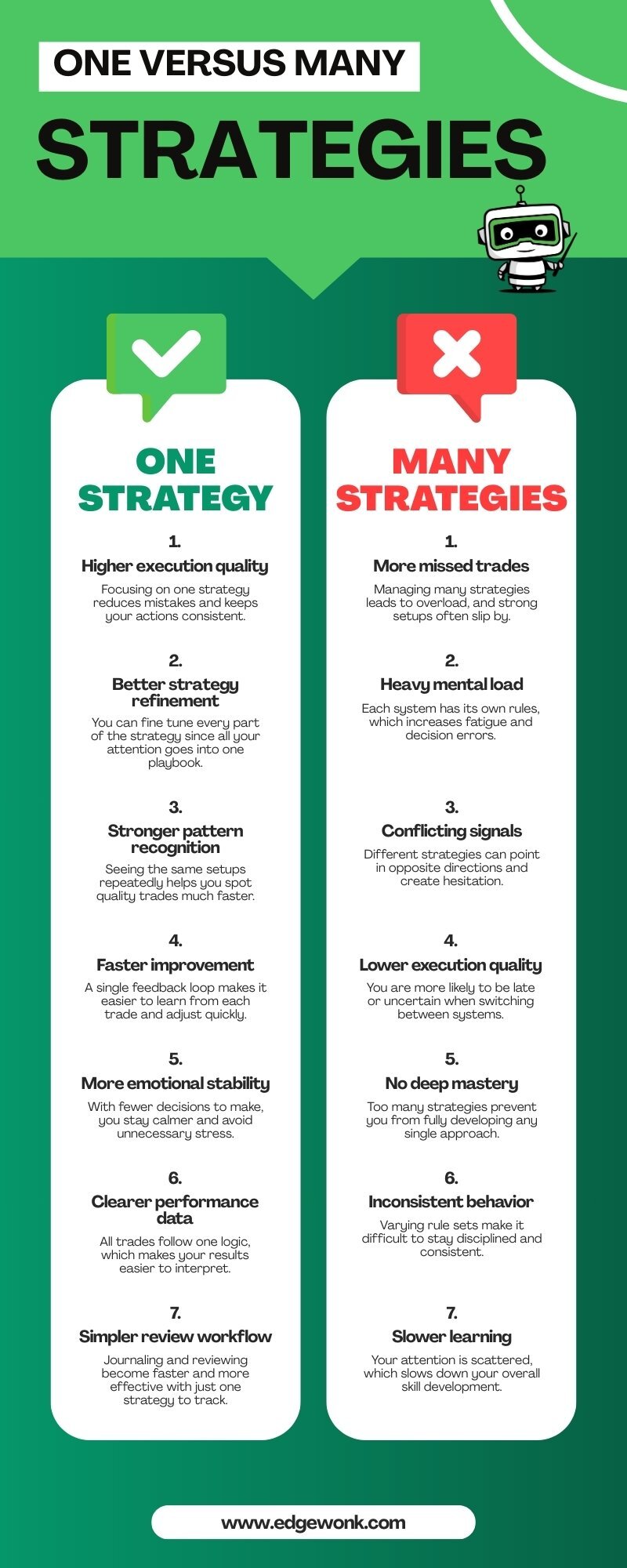
One of the clearest differences we see in journal reviews is that struggling traders usually trade too many setups. Many losing traders try to combine five, ten, or even more strategies, each with its own rules, market conditions, entry logic, and optimization requirements. That creates complexity that most traders never fully master. As a result, they end up with inconsistent execution, shallow data, and unclear performance feedback.
Profitable traders do the opposite. They focus on one setup, sometimes two, and only rarely three. That narrow focus allows them to deeply understand when a setup works, when it fails, how it behaves in different market conditions, and what adjustments actually improve performance. Instead of spreading their attention across endless ideas, they become specialists. That is often enough. As Linda Raschke famously said, you only need one pattern to make a living.
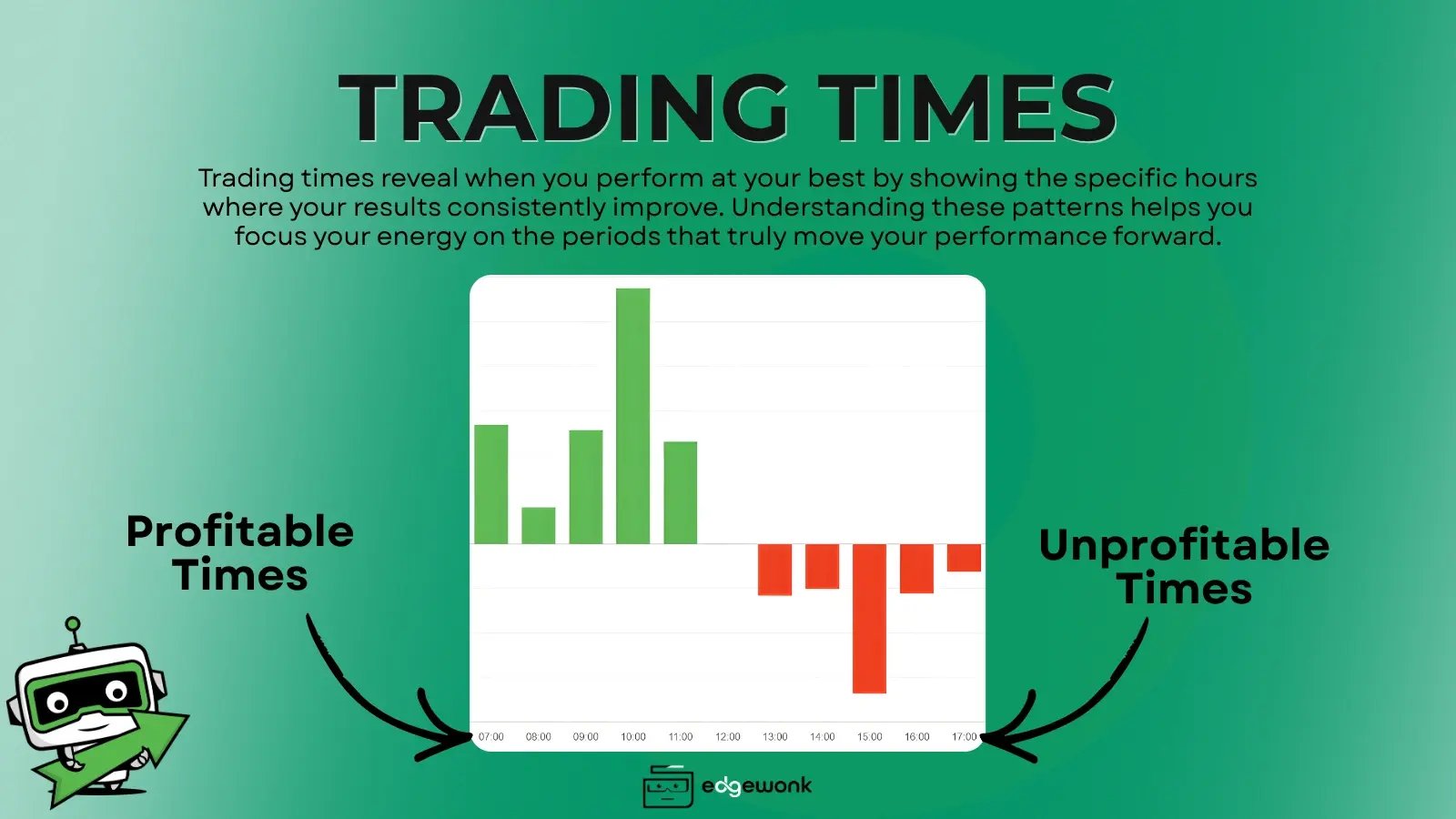
Another pattern that shows up again and again in journal reviews is that profitable traders usually trade only a small part of the day. Many of the strongest traders we have reviewed are active for just two to four hours.
Struggling traders trade all day, across multiple sessions, and keep going long after their best window has passed. What makes this especially interesting is that many of those losing traders still have a clearly profitable period early in the day. The problem is that they continue trading afterwards and give back those gains. In many cases, strategies simply work best around market opens when volatility and momentum are strongest. In other cases, focus, discipline, and energy begin to fade. The lesson is clear: trade less, track performance by hour, and protect your best window.
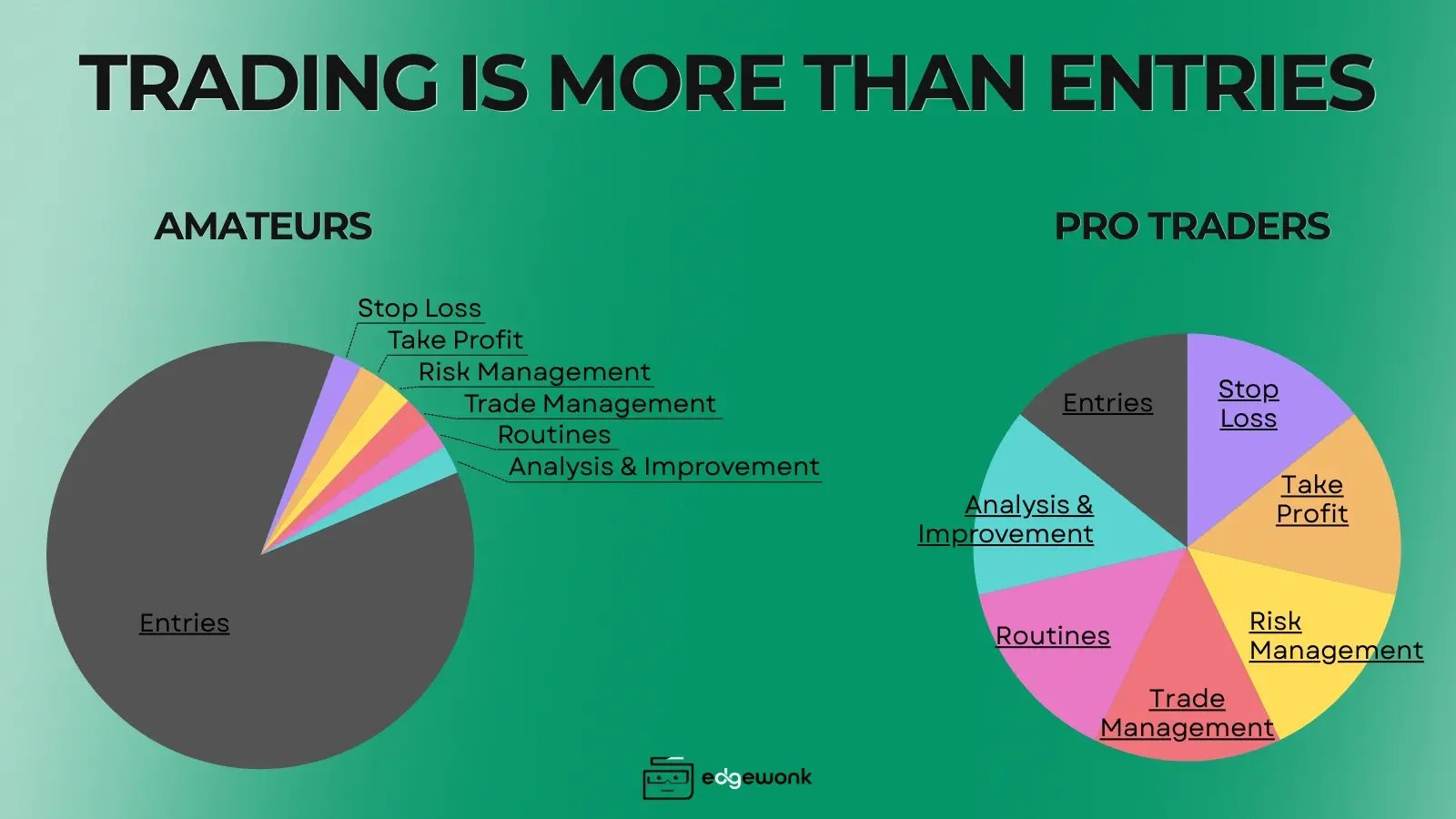
One of the biggest mistakes we see in struggling traders is that they obsess over entries but give very little thought to exits. They spend all their time trying to find the perfect signal, the perfect confirmation, or the perfect timing to get into a trade. But once the trade is live, there is no clear plan. They do not know where to take profits, when to cut losses, or how to respond as price moves. That is where inconsistency enters, and inconsistency quickly destroys performance.
Profitable traders approach trading very differently. They know that entries matter, but they also understand that the final outcome of a trade is largely shaped by exits. They define stop loss levels, profit targets, and management rules in advance. Just as importantly, they keep refining those rules over time. The best traders do not just enter well. They know exactly how they will get out.
Many new traders become fixated on win rate. They believe a high win rate is the main sign of a good system, so they spend endless time chasing strategies that win as often as possible. But in our journal reviews, that is not what separates profitable traders from struggling ones. The best traders understand that performance is not driven by win rate alone. Reward to risk ratio is just as important, and often even more important.
A trader can have a modest win rate and still be very profitable when winners are meaningfully larger than losers. That is why experienced traders focus less on squeezing out a few extra percentage points in win rate and more on improving the size and quality of their winners relative to their risk. Reward to risk can usually be tested and optimized much more objectively. In the end, expectancy and profit factor matter far more than win rate alone.
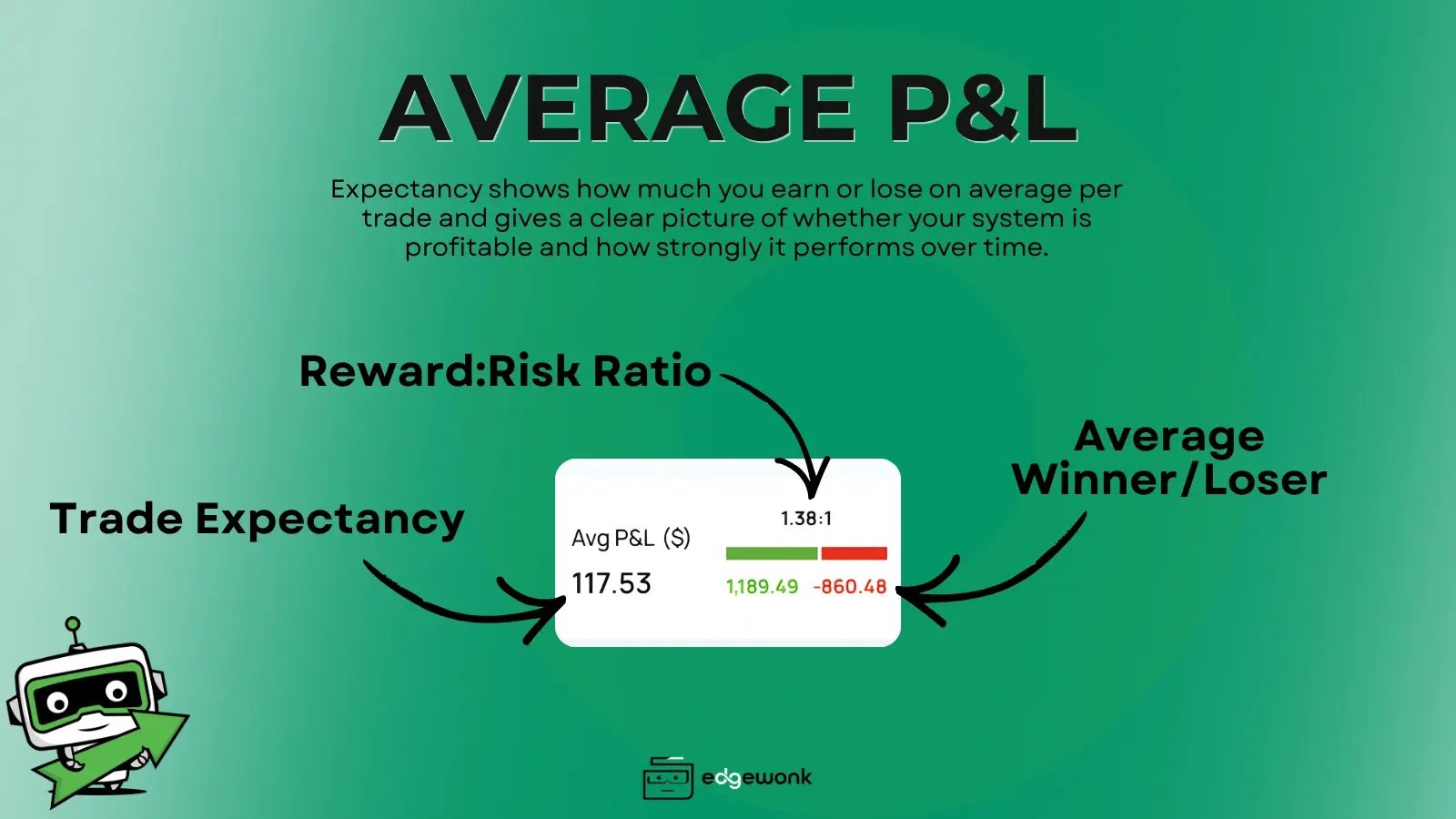
One of the strongest differences we see in journal reviews is that profitable traders operate with clear processes. They know what to do, when to do it, and how to do it. Their day follows a structure. They have routines for building watchlists, preparing charts, reviewing market context, placing stops, and managing trades. Decision making is guided by predefined rules instead of emotion or impulse.
Struggling traders are usually the opposite. Their approach changes from day to day, sometimes even from trade to trade. One day they are patient, the next day they chase. One day they follow a routine, the next day they skip it entirely. That inconsistency creates confusion, weakens confidence, and makes performance data much harder to interpret. When everything changes all the time, the journal turns into noise. Clear processes create consistency, and consistency is what allows traders to build confidence, trust their data, and improve over time.
Another trait we see again and again in profitable traders is that they never stop testing. Even when their performance is already strong, they stay curious and look for small ways to improve. But this is not random experimentation. They are not changing everything at once or chasing constant reinvention. Their testing is targeted, deliberate, and based on a clear idea. They make small adjustments, track the results, and then decide whether the change actually improved the strategy.
That is very different from what we often see in struggling traders. Many of them do very little structured testing at all. Instead of improving what they already have, they simply move on. Profitable traders take the opposite approach. They treat improvement as an ongoing process. They know that small changes in execution, trade management, timing, or filters can make a meaningful difference over time. That mindset of steady refinement is a major edge.
One of the most important differences between profitable and struggling traders is how they respond to drawdowns. Even very good traders go through losing streaks, flat periods, and weeks where nothing seems to work. That is normal. Drawdowns are part of trading and cannot be eliminated. Markets are not perfectly predictable, and short term outcomes will always contain randomness.
What separates the best traders is that they do not panic when those periods arrive. They do not immediately lose confidence, abandon their system, or start searching for something completely new after a few losses. Instead, they stay grounded. They review their execution, check whether market conditions have changed, and sometimes reduce risk slightly, but they keep following their process. Struggling traders often do the opposite, jumping from one method to the next. That creates a vicious cycle where there is no consistency and no real progress.
One of the clearest mindset differences we see in journal reviews is that struggling traders often approach trading with unrealistic expectations. They want to make 20 or 30 percent per month, flip small accounts quickly, and force fast growth through aggressive risk taking. That usually leads to emotional pressure, poor decisions, and unnecessary damage to the account. The focus shifts from trading well to chasing arbitrary performance goals.
Profitable traders think very differently. They understand that trading is not about getting rich quickly. It is about producing solid, repeatable results over a long period of time. They know that even many of the best professional traders in the world generate relatively modest annual returns compared with what retail traders often expect. That is why they stay patient, keep risk under control, and focus on consistency instead of speed. They take trading one day, one week, and one month at a time, trusting that long term compounding will do the heavy lifting.
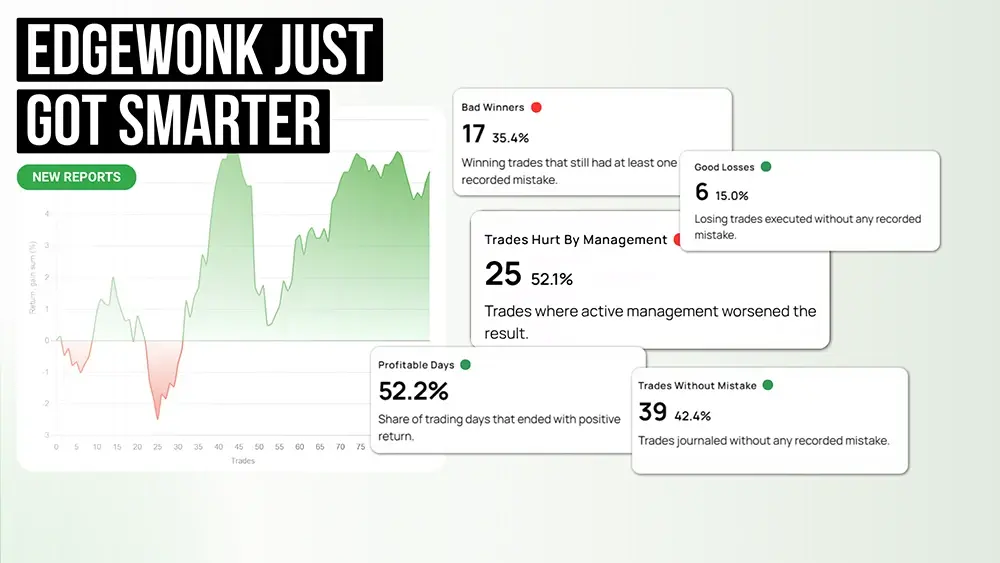
This week, Edgewonk received one major upgrade.

Many traders think of journaling as extra admin work after the trade is already over. But a good trading journal is not just a place where you store...
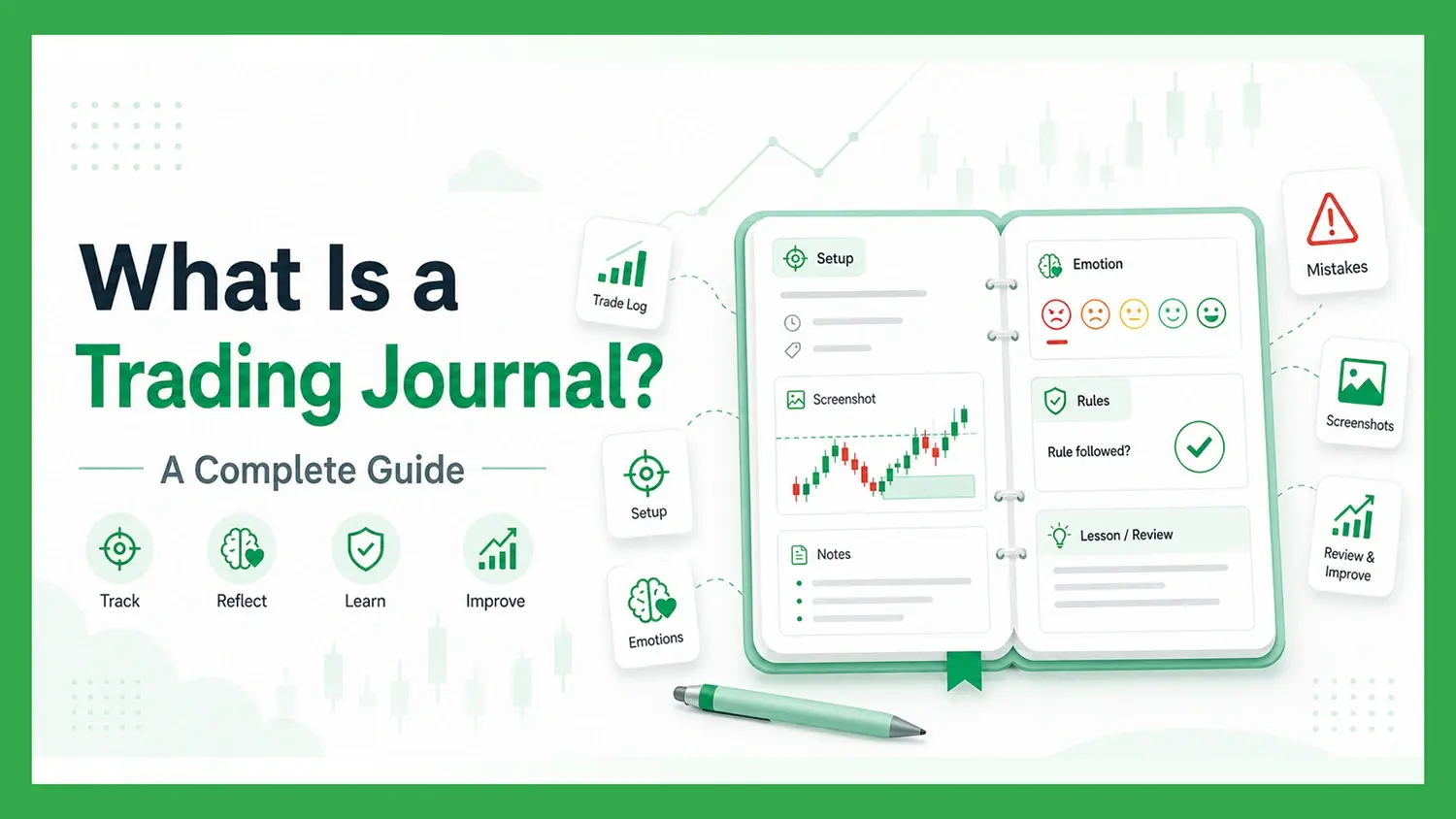
A trading journal is one of the most important tools a trader can use to improve their performance. It helps you record your trades, review your...